
Cyber Observatory – European Cybersecurity Policy

The leaks by Edward Snowden in 2013 of details of the surveillance by US and allied intelligence agencies of private communications have prompted debate about the relationship between the right to security and the right to privacy, and the controls that should exist on official surveillance of private communications, in particular of communications generated in another state. This EuroDefense paper recommends action to be taken on these issues on the European level, and includes a proposal for enhanced collective defence against cyber threats.
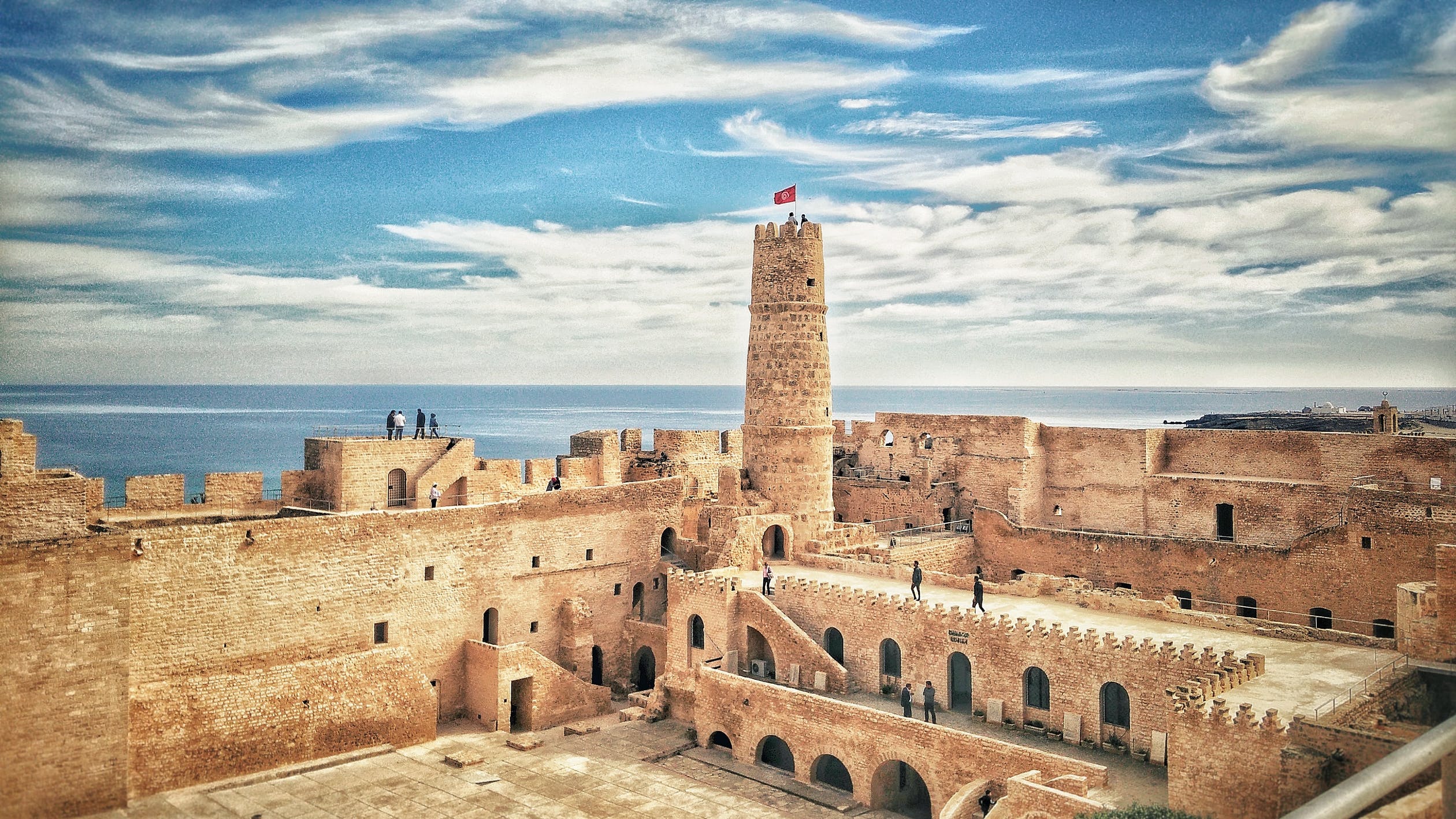
Mediterranean Observatory – Early Warning: Tunisia

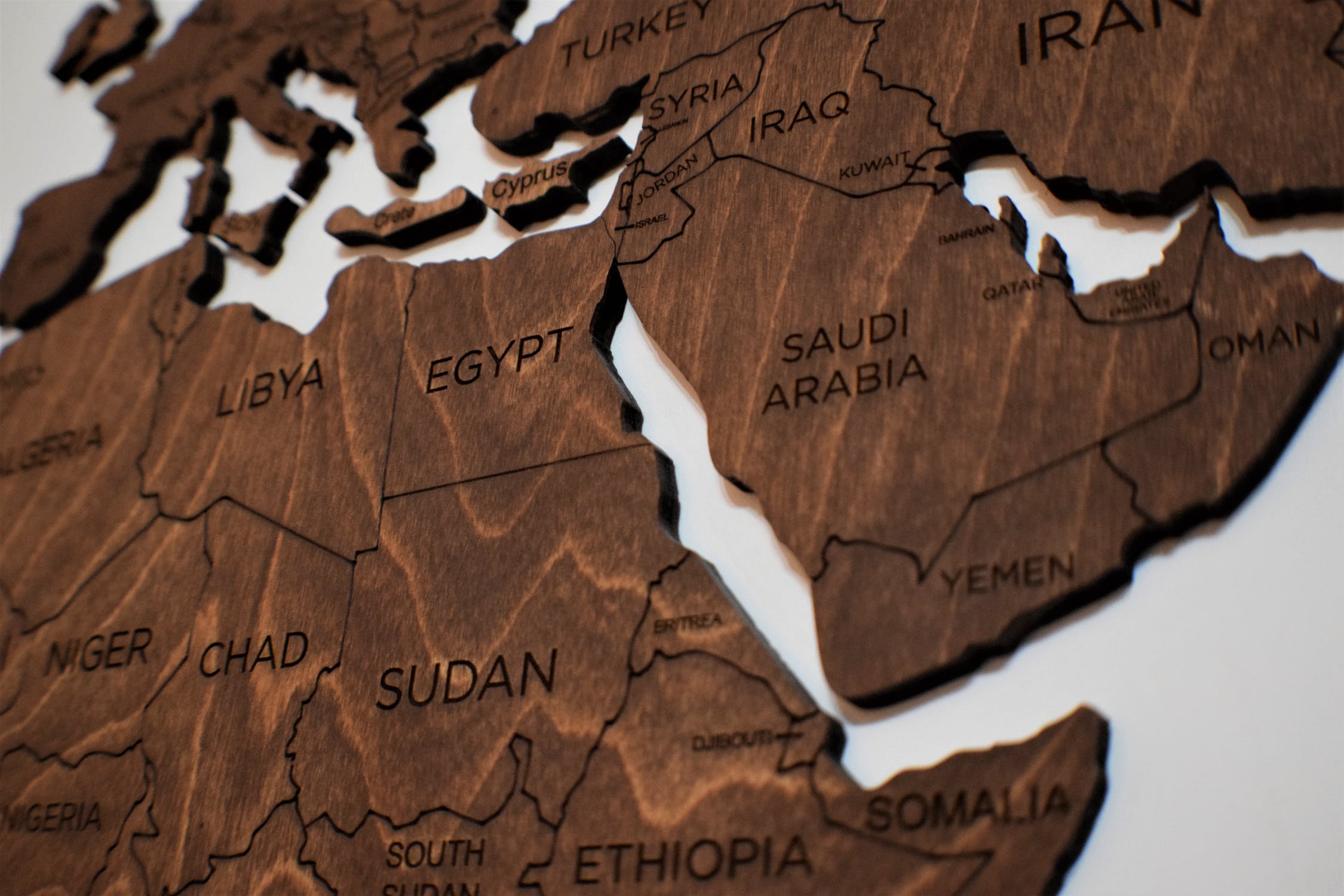
After the revolution five years ago, Tunisia has experienced a political development that could be considered as a model for democratic evolution in many counties where the uprisings started in 2011. However, the spread of protests since mid-January 2016 reveals the depth of its unresolved and festering socioeconomic crisis and exposes how little has changed in the power structures of Tunisia.

Pour un Livre Blanc Européen sur la Sécurité et la Défense

Responsabilité traditionnellement exclusive des Etats-nations, la « Défense » de la plupart des pays européens est organisée depuis la seconde guerre mondiale au sein d’alliances multinationales : au sein de l’Otan pour la défense collective de leurs intérêts vitaux (territoires et populations) avec le renfort des Etats-Unis et du Canada et au sein de l’Union Européenne où ils développent des intérêts communs depuis 60 ans. Mais s’ils ont pu utiliser jusqu’ici ces organisations comme multiplicateurs de puissance, tout en conservant à leur niveau le développement et l’usage des moyens et capacités opérationnelles, le nouveau contexte sécuritaire remet en cause cette situation confortable.

Mediterranean Observatory – Early Warning: Libya

Four years after the rebels and NATO air campaign overthrew Kaddafi, the cohesive political entity known as Libya does not exist as such anymore. The Central government is only a name and tribal and different religious factions are struggling for the power and above all to own and manage the country’s oil wealth.

For the rationalisation of the planning and conduct structures of EU operations.

Since 2009, when the European Union (EU) decided to take action to manage a crisis, the Crisis Management and Planning Directorate (CMPD) of the European External Action Service (EEAS), under the authority of the High Representative (HR), has performed a civil/military planning on a political and strategic level.