Mediterranean Observatory – The Libyan question
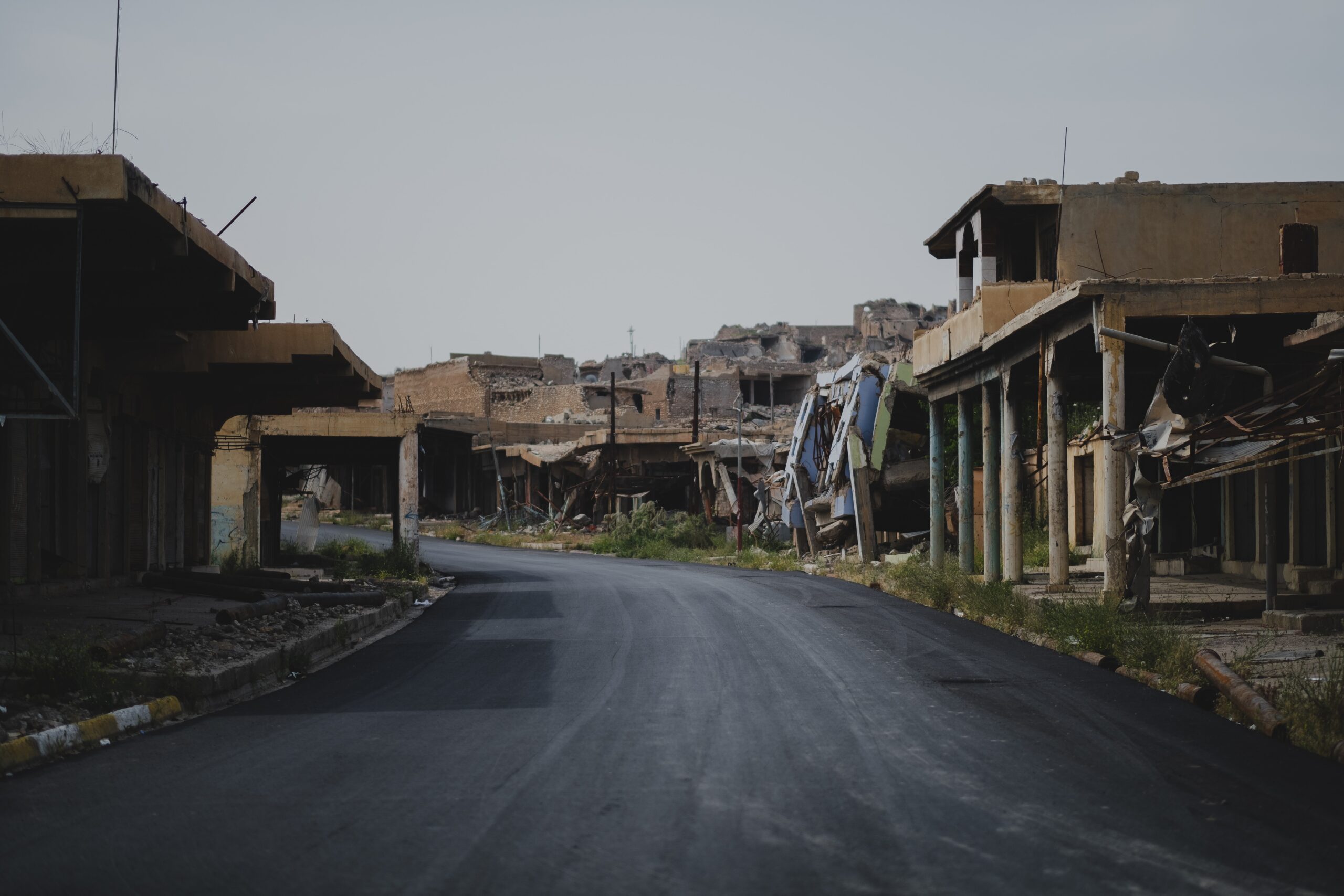
In the ten years since the ouster of Moammar Gadhafi, Libya has fractured into pieces, along tribal rivalries that were unleashed after Gadhafi’s downfall.
In the ten years since the ouster of Moammar Gadhafi, Libya has fractured into pieces, along tribal rivalries that were unleashed after Gadhafi’s downfall.
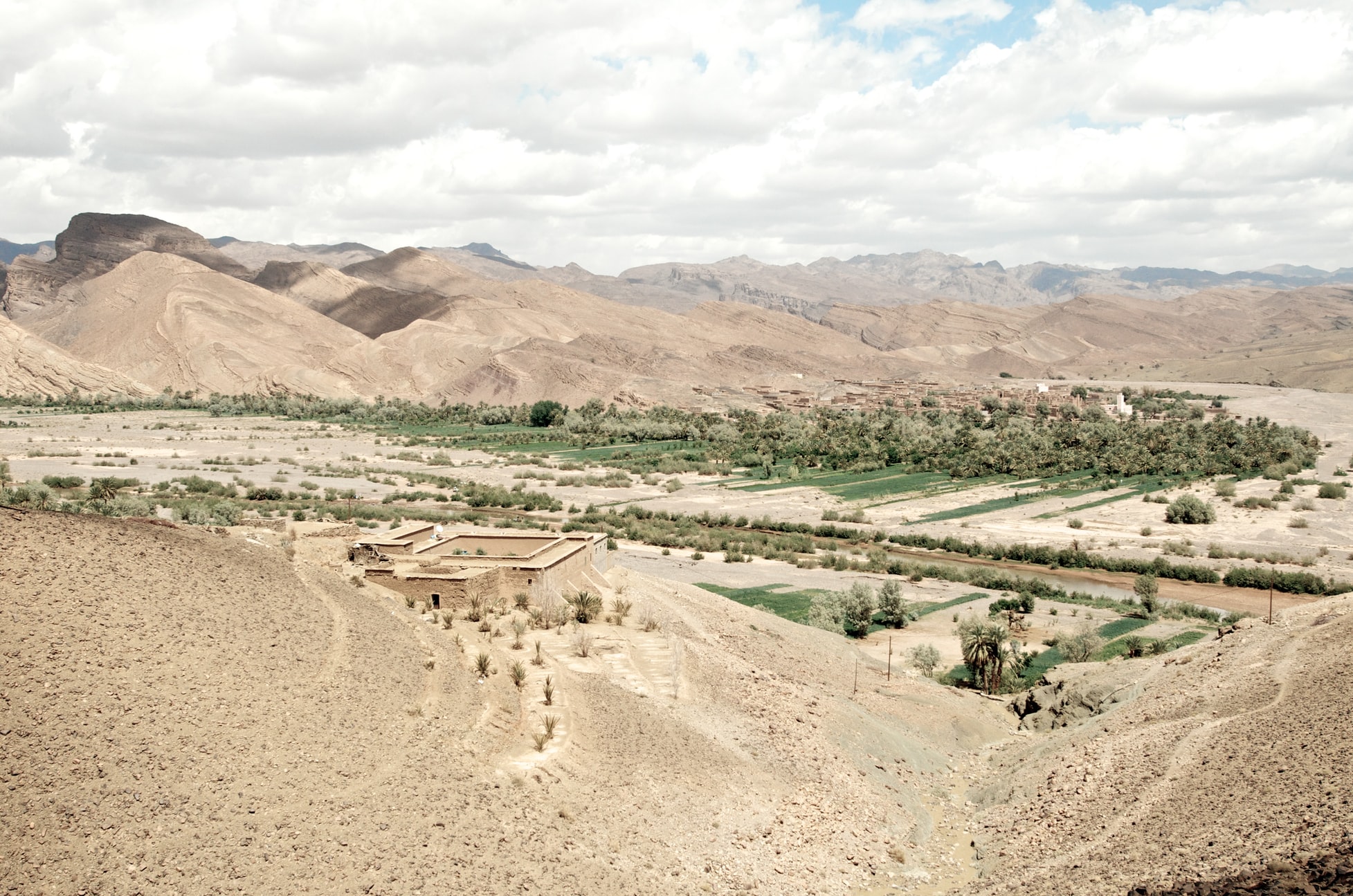
The outlying regions of the Maghreb in the south, within the Sahara Desert, are part of the old commercial routes along the Sahara and constitute economic spaces with shared identities and are distant sides of national territory. Since independence, the region’s states have devoted the economic development and investment in their coastal centres, leaving vast interior regions and borderlands forgotten and marginalized.
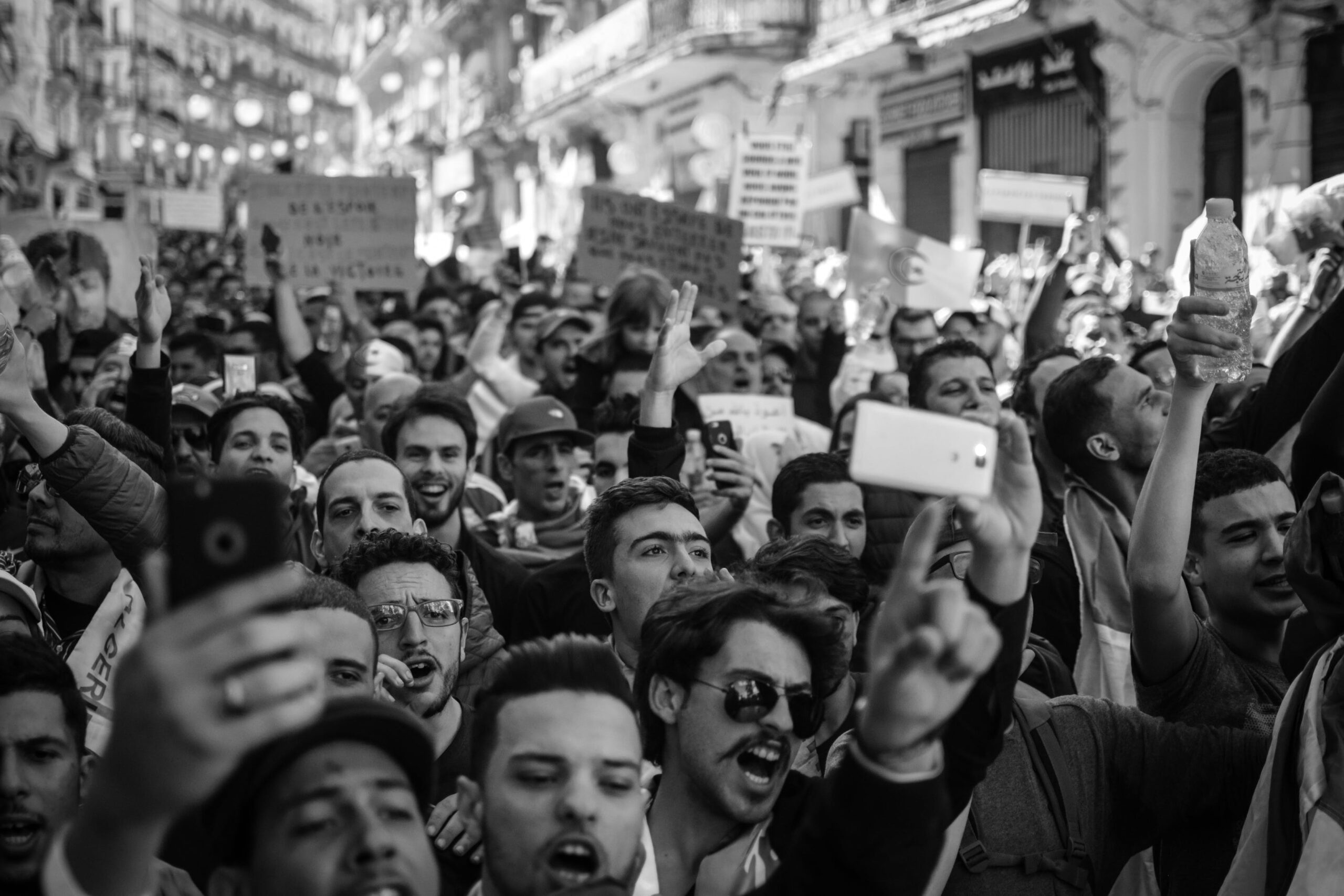
Algeria is undergoing a transformation that might lead either to a true political transition or simply to a change of regime. Since the departure of Bouteflika, the regime’s margin to manoeuvre has increased a bit, but the people seem to believe that the president’s resignation was a way for his clan to gain time to install a successor close to it. The ruling powers are still in control and they do not want to hand over the power to the new Algerian generation until they will be satisfied with a compromise candidate. In the background the Algerian Army is protecting its unrelenting political dominance.
Taking advantage of U.S. and EU hesitation, geopolitical competitors have been filling political and security voids in the Middle East. Europeans need to become quicker in anticipating and acting on power vacuums to avoid being outpaced by global and regional disruptors such as China, Iran, Russia, Saudi Arabia, or Turkey.
Since the last Report on the Situation in North Africa distributed to the Eurodefense Associations in November 2017, there has been some developments in the region worth analysing, because what happens in North Africa affects to Europe. Critical signs of latent instability continue to develop across North Africa. Although mistakes have been made, Western actors can adopt policy options to mitigate further damage. Continuing to ignore the signs or postponing action to address them could have devastating consequences for the entire Mediterranean region and beyond.
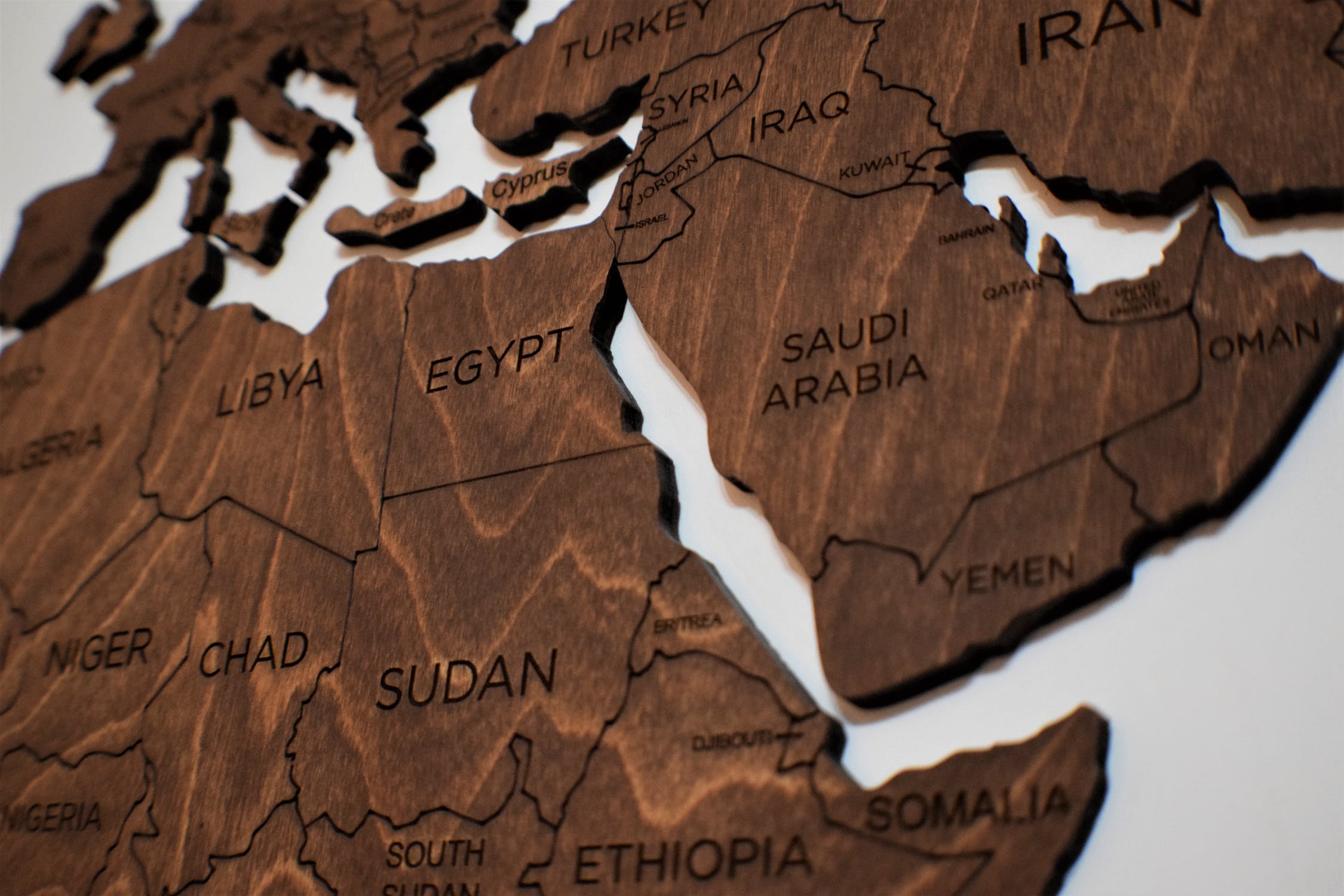
The countries that make up North Africa — Morocco, Algeria, Tunisia and Libya — are defined as much by the broad desert expanses of the Sahara and the Atlas Mountains as they are by the waters of the Mediterranean. Wedged between the coastline of the
southern Mediterranean and an ocean of sand, the populations of North Africa have a long history of interaction with Southern Europe, sub-Saharan Africa and the broader Middle East. Current trends within North Africa — challenges to political stability, regional militancy, changes in energy production and in the economy — given their proximity to Europe and to former European colonial holdings in Africa, and the continued economic and security relationships between these regions, makes events in North Africa resonate in regional and Western capitals.
Since the last Report on the Middle East and North Africa (MENA) sent to the Presidents’ Council in March 2017, there have been some developments regarding this region worth pointing out.
Since the last Report sent to the President Council last November 2016, the situation in the Middle East and North Africa is not showing any signs of improvement. It continues to deteriorate and at the same time is in a permanent flux. The roots of this instability can be found first, in a broader participation of some
external actors to this region and second, to the decrease of activities from countries of the region, mainly due to the worsening of their economic situation as an outcome of lower oil prices added to the realisation that the rebel groups they are helping to fight in
Syria are leaning towards the Al Qaeda ideology and praxis.
Some nations of the Western world took domination of the Middle East from the Ottomans and exercised it for almost a century. They created entities that were modelled on European nation-states. However these entities did not conform to the definition of a nation in a region predominantly Arab and Muslim. And this reality was not taken into account because at the lower level there were tribes, clans and ethnic groups that were divided by new borders.
After the revolution five years ago, Tunisia has experienced a political development that could be considered as a model for democratic evolution in many counties where the uprisings started in 2011. However, the spread of protests since mid-January 2016 reveals the depth of its unresolved and festering socioeconomic crisis and exposes how little has changed in the power structures of Tunisia.